
The McPadden ProjectExplore the Project
← History in Context

Bridgeport, Connecticut · Records from 1889–1912 · A later family memory

Finding a community
in Bridgeport.

An address. A celebration. A society.
How do the records let us see the connections that could make a city feel like home?

Life after arrival

Who was there
to turn to?

Arriving in a city and finding a place within it were different things. An address could name someone already there. A wedding could bring people together. An association could organise help or carry a concern into public life.

Two family records open this reading. Two wider city records then show other kinds of connection—without assuming that the family belonged to the organisations we encounter.

Four different kinds of connection

Look for the people
inside the paperwork.

Choose a record to explore what a connection could mean: someone to name, people to celebrate with, help during illness, or a way to be heard.

AI-generated illustration · Imagined modest parish hall, around 1910. The people and building are illustrative; the meeting places of the societies discussed below have not been established. Image notes ↗.

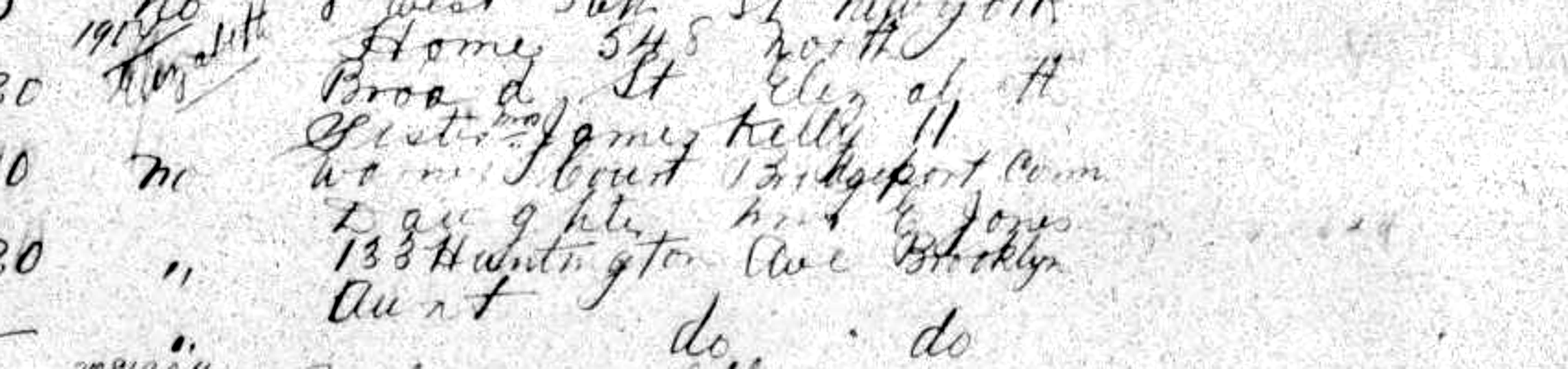
Passenger-list detail naming James’s sister Mrs James Kelly at 11 Warren Court, Bridgeport.
Teutonic passenger list, 20 October 1904 · Detail of the contact column, line 12. NARA record via Internet Archive.
Family record · 1904

A name at the end of the journey.

James McPadden’s completed Teutonic passenger entry names his sister, Mrs James Kelly, at 11 Warren Court in Bridgeport. She is Catherine McPadden Kelly—the sister already established in the city.

A destination has become a person and a street address. That is a concrete family connection to start from.

The entry records whom he intended to join. It does not tell us who met him, whether he stayed there, or who found him work.
AI-generated illustration: two unidentified young priests arguing in a side room, while younger elementary-school boys play basketball on the court beyond the doorway.
AI-generated illustration inspired by a family recollection. Imagined mid-1930s setting; the date is provisional. Younger schoolboys remain on court while two young priests argue in the side room. Neither priest is a verified likeness of Fr. Henahan. How this image was made.

A father’s story · Parish sport · Date still to establish

The game had
company of its own.

Ed remembers his father talking about St Augustine’s and a young Fr. Thomas F. Henahan coaching elementary-school boys, no older than eighth grade. The funny part of the basketball story was the change once the priests stepped away from the children: civil on the court, they would go into an adjoining room and have a loud argument over a disputed call.

In Ed’s telling, fierce pride in their respective parishes lay behind the rivalry, even when the priests tried to keep it from showing in front of the boys. That contrast was part of the humour his father remembered—and later shared with his son.

Keep the evidence close

A connection is a clue.
Its limits matter too.

The family records establish a contact and a wedding. The city records establish organisations and actions. The recollection preserves a remembered story. These are different kinds of evidence; none supplies the missing details of the others.

Sources, dates and the boundaries of this reading

Family record · 1904

Teutonic passenger list, 20 October 1904 · Detail of the contact column, line 12. NARA record via Internet Archive.

The entry records whom he intended to join. It does not tell us who met him, whether he stayed there, or who found him work.
See the full manifest ↗

Family record · 1912

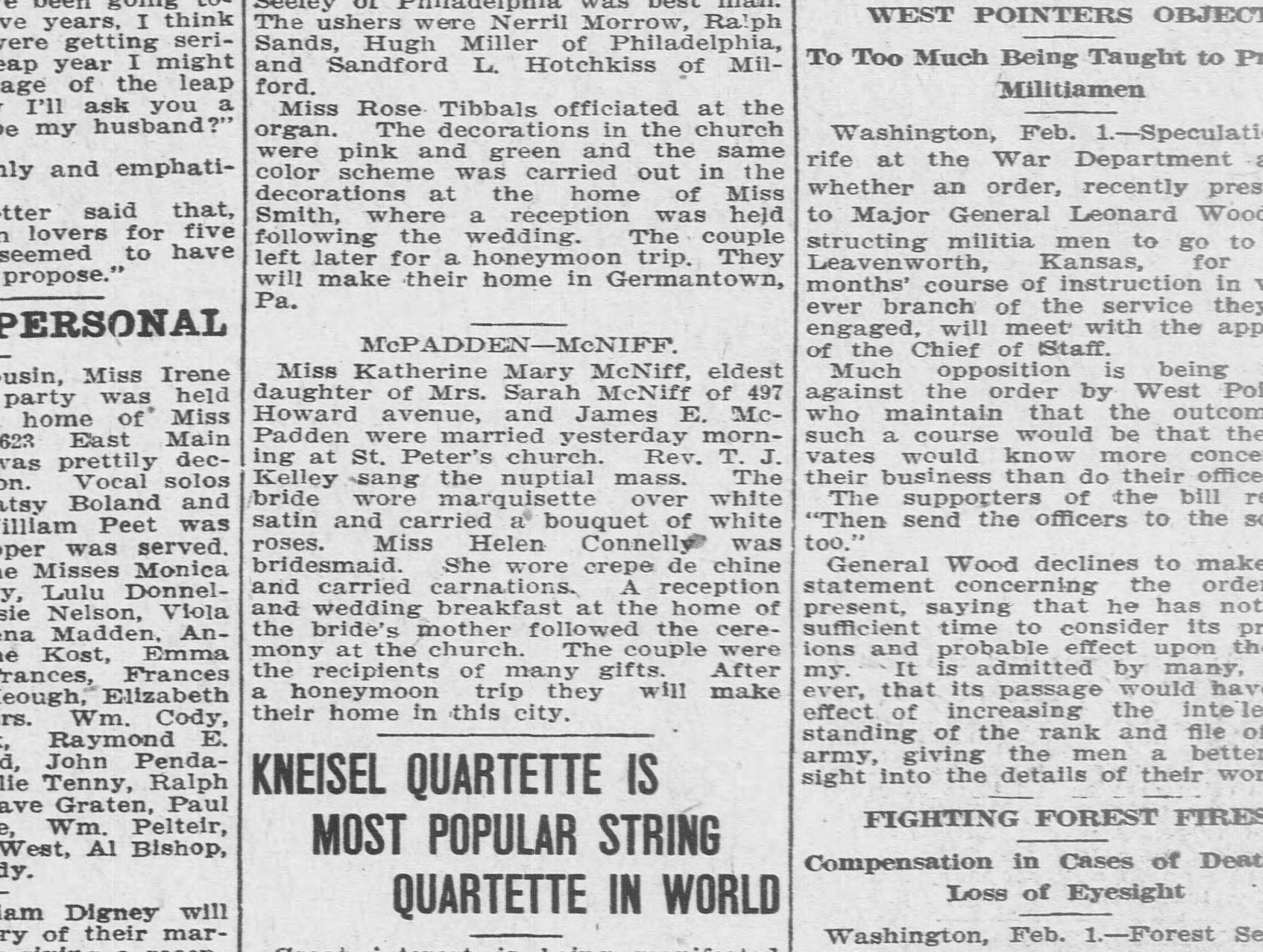
The Bridgeport Evening Farmer, 1 February 1912, page 4 · Preserved detail. Library of Congress / Connecticut State Library.

This reports one wedding. It does not establish their courtship, lifelong parish membership or their children’s school.

See the newspaper page ↗

Wider city record · Benefits recorded for 1889

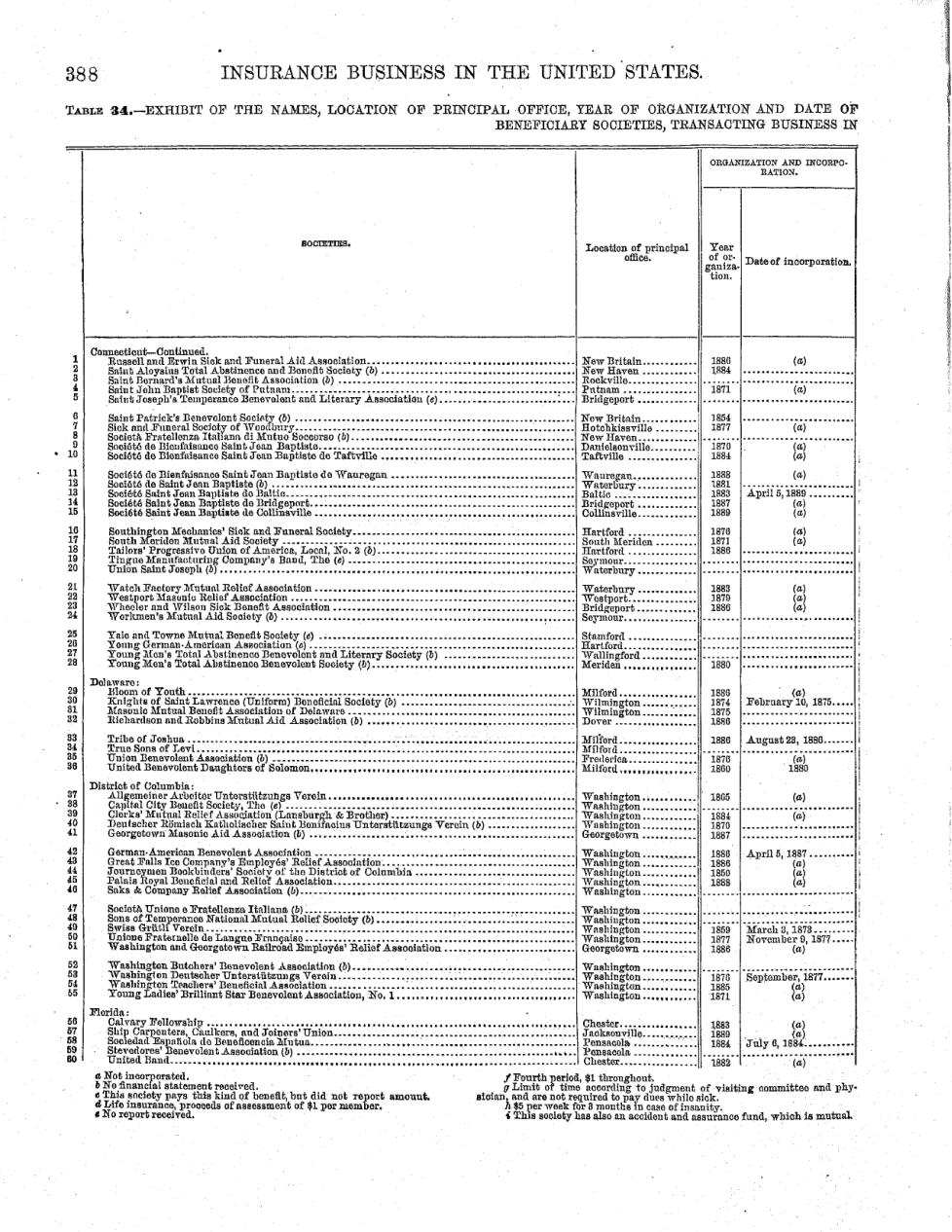
1890 US census insurance report · Table 34, printed pages 388–389. Compare row 23 across the two pages.

No McPadden or Kelly membership has been established. Dues, eligibility details and actual payments need further records; the table does not make these benefits universal.

Read the benefit columns and limits ↗

Background: family, mutual aid and relief before Social Security ↗

Wider city record · 22 January 1912

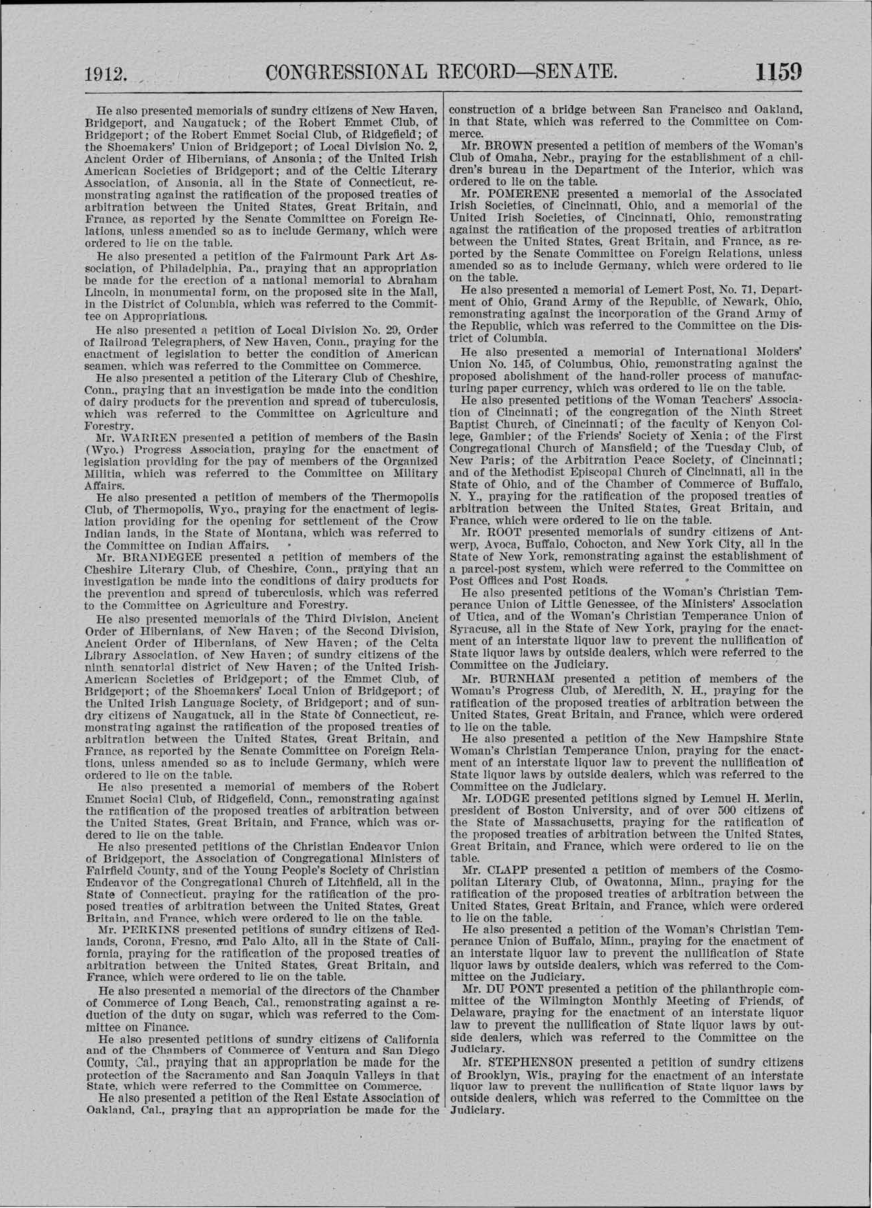
Congressional Record—Senate, 22 January 1912, page 1159 · US Government Publishing Office / GovInfo.

We do not know whether the family belonged to these groups or agreed with them. The record does not establish every member’s opinion or the eventual treaty outcome.

Find the contrasting requests on page 1159 ↗

Background: Taft’s 1911 message explaining the treaty’s purpose ↗

Family memory and illustrations

Ed’s recollection, shared and clarified 17 November 2026. The date, coaching role and St Augustine’s appointment remain to be independently corroborated. Neither illustration is a historical photograph or an authenticated likeness.

Read the illustration provenance ↗

Continue exploring

Put the connections
back into a life.

Another later-generation window: Bridgeport’s ballrooms →