
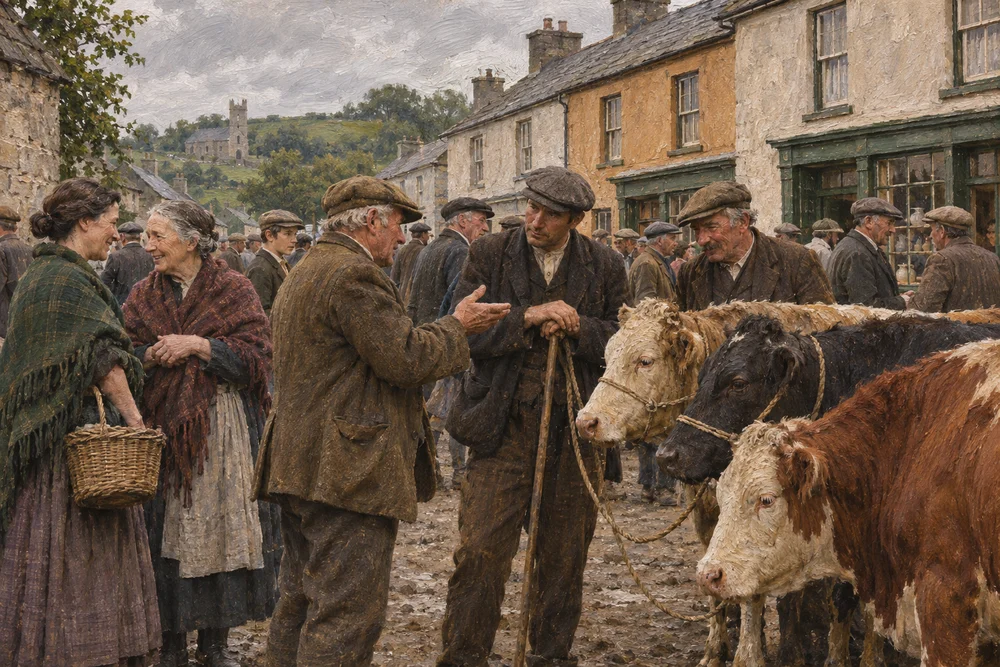
A meeting in the street.
Dromahair and Moneyduff school accounts describe a fair held in the village streets on the first Thursday of each month. Cattle and bargaining made the village a place to stop, watch and talk.
History in Context · Around Dromahair
A fair day. A shared tune.
An evening to remember.
The occasions that brought people together—in Leitrim, and in lives made across the Atlantic.
Step into the readingLife beyond the daily work
A history of household labour tells us how people kept going. The fair, the gathering and the song help us understand what they looked forward to.
Local accounts bring these occasions into view: a street filled for a fair, a St Patrick’s night gathering in a hall, a group arriving at a neighbour’s door. The pleasure lay partly in the occasion itself—and in having people to share it with.
Our starting point is Dromahair and neighbouring Newtownmanor. Much of the local testimony was written down in 1937–39; it includes both contemporary practice and older memories. Later, we follow music to New York and look briefly at Bridgeport’s postwar dance halls.
01 · The street · Fair day
A fair was a date when buying and selling also brought people into one another’s company.
Dromahair and Moneyduff school accounts describe a fair held in the village streets on the first Thursday of each month. Cattle and bargaining made the village a place to stop, watch and talk.
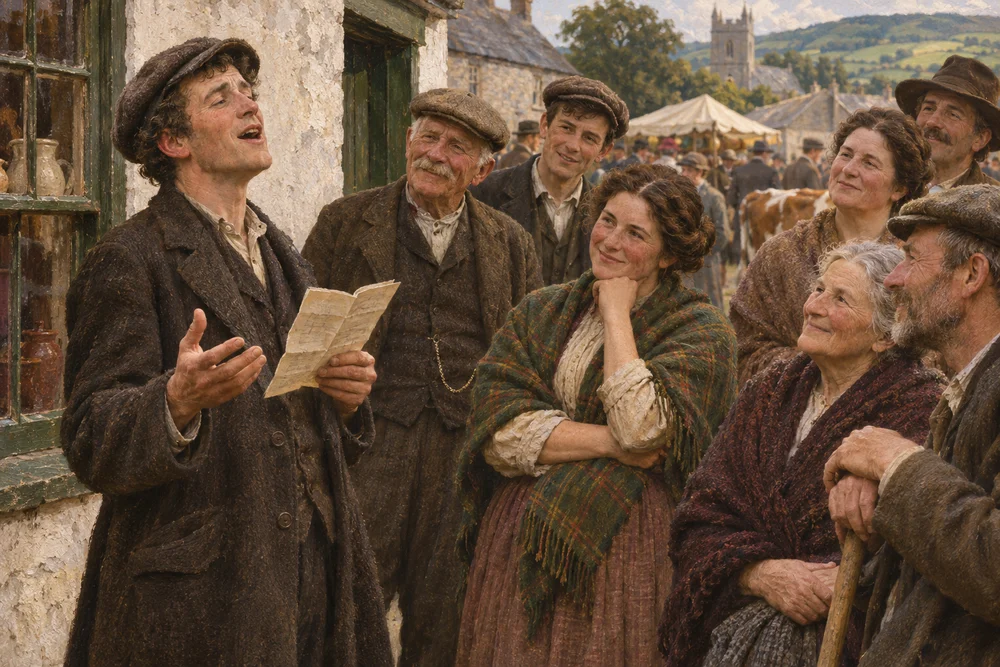
Margaret McLoughlin’s childhood recollection includes street singers. Fair day could offer an audience as well as customers: a chance to hear a song among the business of the day.
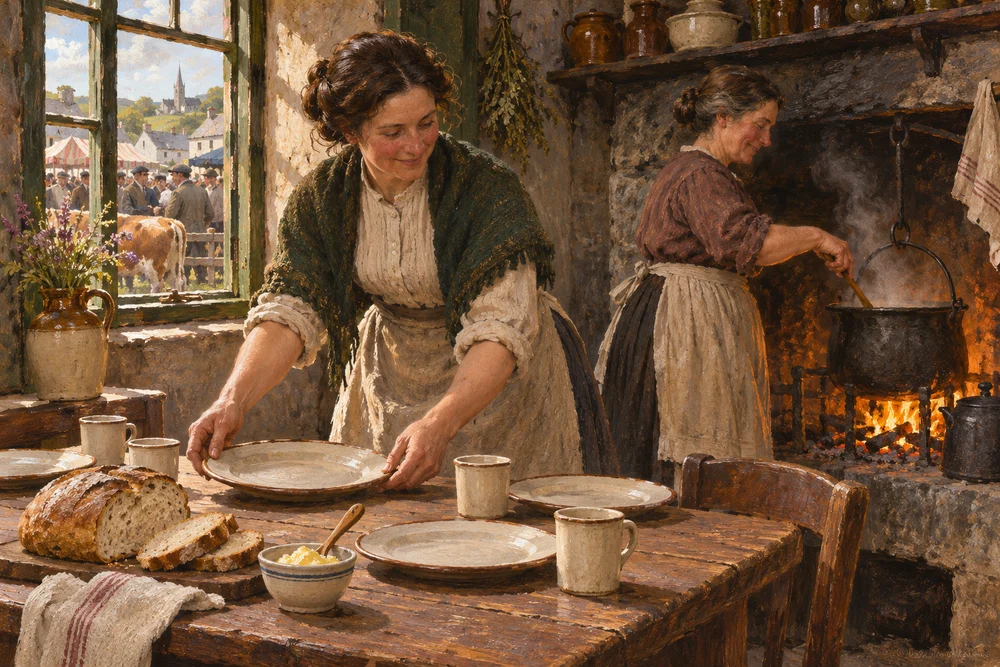
Her recollection also remembers preparing food for fair-goers. An exciting day for one person could mean extra work for another. Enjoyment and household effort belonged to the same occasion.
The Dromahair street-fair account ↗ (opens in a new tab) · McLoughlin’s remembered singers and food preparations ↗ (opens in a new tab)
Samuel Lewis’s 1837 description lists a Monday market and a fair on the 13th of each month. The school accounts, collected a century later, describe the first Thursday of every month: one recurring fair each month, on whichever date that Thursday fell. It was a dependable day to arrange a visit or bring animals to sell. The sources do not explain why Thursday was chosen, and we have not established when the schedule changed.
The fair-day memoir is reproduced in a 2017 article; that is its publication date, not the date of the childhood being remembered.
Read Lewis’s short 1837 entry ↗ (opens in a new tab)Neighbours, music, an evening together.
AI illustration · Imagined hall, not the documented Newtownmanor gathering02 · The hall · Music & company
In Newtownmanor, one school account describes a well-attended céilí in the local hall every St Patrick’s night.
A céilí is a social gathering associated with music and dancing. Here, the manuscript gives us the occasion and the hall, but leaves the musicians and dances unnamed. We can recognise the anticipation of an evening together without inventing its programme.
Explore the local hall account below ↓Listen beyond the page · 1 of 3
Medley of Irish reels, no. 5
John J. Kimmel, accordion · Joe Linder, piano
Recorded in New York, 30 October 1916
Press Play when you are ready. The Library of Congress hosts this player; sound does not start automatically.
Listen first to the accordion’s melody, then to the piano underneath it. The rhythm guide below gives you a way into the reel’s pulse.
Open the player at the Library of Congress ↗ (opens in a new tab)Library of Congress, National Jukebox. This is a commercial recording for comparison, not a recording of the Newtownmanor gathering. Catalogue and rights information ↗
Meet the sounds · Instruments, roles and time
This is a guide to the wider Irish musical tradition, not an inventory of the Newtownmanor hall. Some sounds belong to much older traditions; others became especially prominent in recording studios or the later folk revival.
The tune you could hum. Fiddle, flute, whistle, pipes, concertina and tenor banjo can all carry it. A lone player can also provide a strong dancing pulse.
Chords, bass or drones alongside the tune or voice. Piano, guitar and bouzouki often do this; pipes and button boxes can combine melody with supporting sounds.
The pattern of movement through time. Every melody has rhythm. A bodhrán can add percussion, but a drum is not needed to make a jig or reel danceable.
Follow the same icons from this key to each instrument and its description. They mark the roles highlighted here; two icons mean more than one role. They are not fixed limits: melody players also create a dancing pulse, while the Rhythm icon highlights percussion. Choose an example to see how it works and where it fits in time.
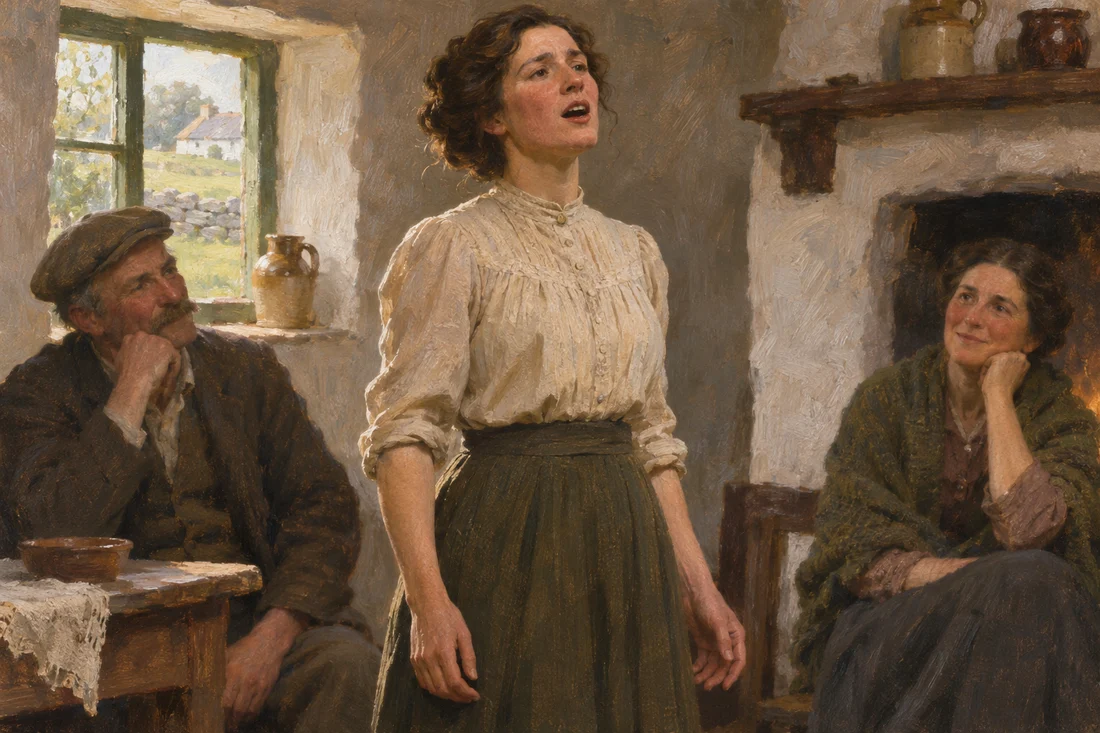
Roles illustrated here
Words & melody
A singer can hold a room without any instrumental backing. Breath, small changes of pitch and the shaping of a line carry both tune and words. A song may tell a story, mark an occasion or speak of a place.
Place it in time
Unaccompanied singing belongs within the earlier world of this reading. The local Wren account gives a specific example of singing at a door; it does not tell us the exact melody.
Harmonica, bones and other instruments also appear in Irish musical collections. Marching bands have their own combinations of pipes, flutes and drums. Irish music is not a closed list, and a present-day session is not a reliable picture of every earlier gathering.
The harp has its own deep history; the bodhrán and bouzouki have particularly important later stories. Rather than give every instrument an invented ancient pedigree, this guide keeps those differences visible.
Browse ITMA’s wider instrument catalogue ↗ (opens in a new tab) · Explore the banjo’s African and American history ↗ (opens in a new tab)Illustrations explain general form and atmosphere; they are not technical construction drawings or evidence of local ownership. The piper portrait is a historical published image.
Hear the difference · Follow one bar
The same small note can fall into different patterns. Choose a form, then watch two bars pass. Optional clicks mark the subdivisions, with a higher click on each main beat. This is a teaching model, not a performance or a transcription of the recordings.
♪ ♪ ♪ | ♪ ♪ ♪
ONE–la–li TWO–la–li
Two main beats in a bar, each divided into three: ONE two three · TWO two three. The beams above the notes show those two groups.
Ready. The line shows rhythm only, not musical pitch.
Hear a jig performance
John McKenna, flute. Try hearing the rolling groups of three within each larger pulse. The musician’s phrasing is richer than the simple clicks above.
Open the paired jigs at ITMA ↗ (opens in a new tab)Archive player opens in a new tab; this track’s embedding permission has not been established.
Hear a reel performance
John J. Kimmel, accordion; Joe Linder, piano, 1916. Listen for the even pairs of subdivisions and the accompaniment beneath the melody.
Play the recording on this page ↑Double jigs commonly use 6/8; reels are commonly written in 4/4. These diagrams show simplified grouping, not compulsory accents or speed. ITMA examples: a jig score ↗ (opens in a new tab) · a reel score ↗ (opens in a new tab).
Slip jigs commonly group nine eighth notes in threes. Hornpipes often have a lilting long-short feel in common time. Polkas have a brisk two-beat pattern; slides and other forms add to the range. Local repertoires differ: polkas and slides are especially associated with Sliabh Luachra in the southwest, not a default Leitrim set list.
An air can invite close listening rather than dancing. In a slow air, the player may stretch a phrase and linger on a note; a rigid counting animation would miss much of its expression. Many instrumental airs are connected with songs.
A ballad tells a story in song. “Folk song” is a wider label, not a time signature. Irish-language sean-nós singing is usually solo and unaccompanied, with distinctive phrasing and ornament. English-language traditional singing also has rich local styles. Neither is simply a jig with words.
Explore regional dance repertoires ↗ (opens in a new tab) · Comhaltas explains sean-nós singing ↗ (opens in a new tab) · What makes a ballad ↗ (opens in a new tab)
A fuller music reading could explore regional styles, learning by ear, dancing and the revival. Here, the aim is to give your first listen enough context to be rewarding.
03 · The calendar · Customs at the door
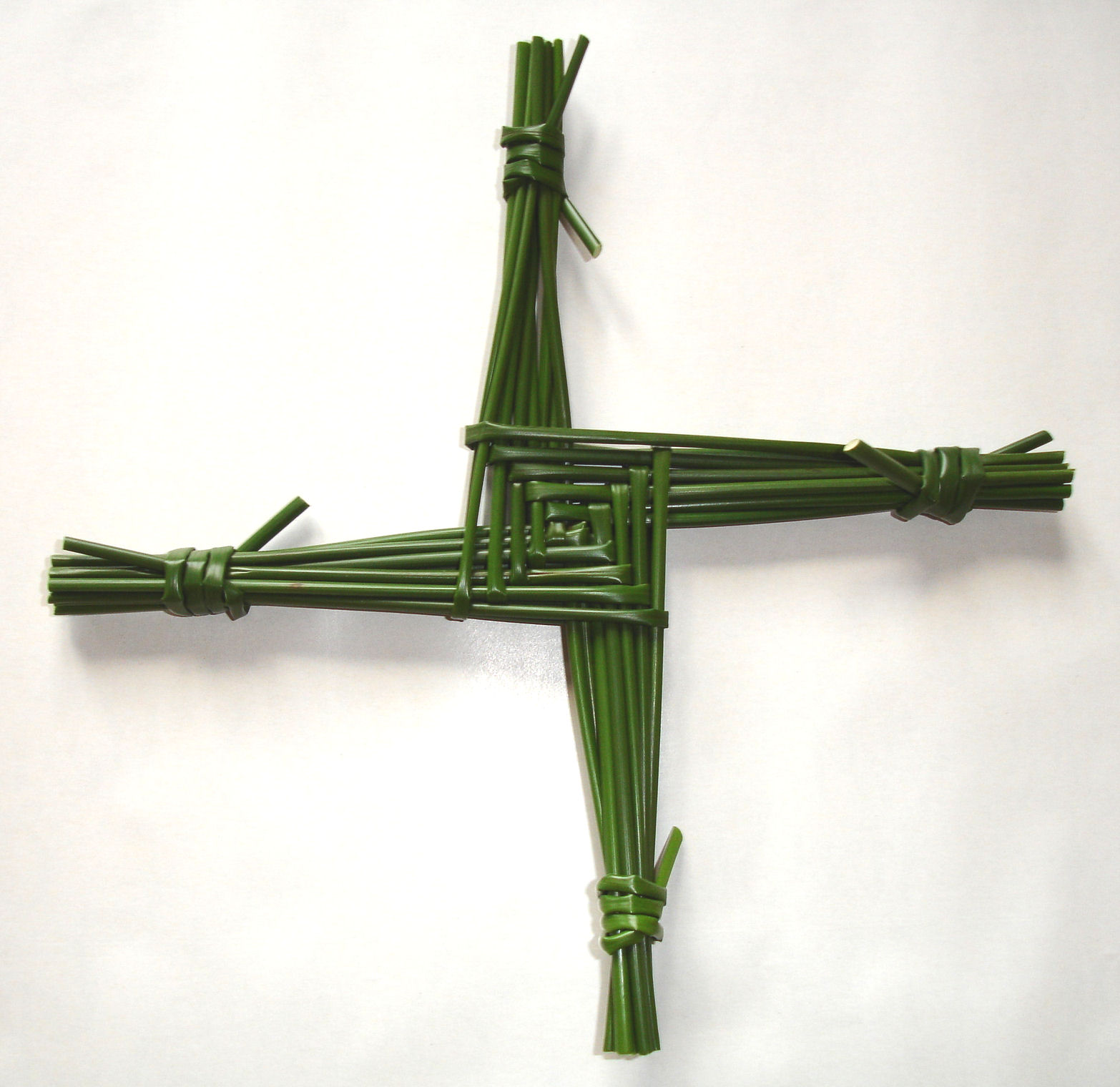
Making a cross, visiting a neighbour, going to Mass, gathering in a hall: in this local account, devotion and sociability share the calendar. Select an occasion, then follow the reading guide into the original manuscript at Dúchas.
Newtownmanor · Schools’ Collection, 1937–39
The account describes a well-attended céilí in the local hall every St Patrick’s night.
That makes the holiday more than a date on a calendar: it was also an occasion to meet. The entry places the evening gathering beside shamrock-wearing and going to Mass.
What this page can tell us
It names the hall and the occasion. It does not tell us the admission price, the tunes played, who performed, or which families attended.
Adapted summaries of Bridget E. Martin’s “Festival Customs,” Newtownmanor. “The Schools’ Collection, Volume 0199, Page 407 ↗” by Dúchas © National Folklore Collection, UCD is licensed under CC BY-NC 4.0 ↗. Page 406 supplies the Wren account and the beginning of the cross-making description. “The Schools’ Collection, Volume 0199, Page 406 ↗” has the same Dúchas / National Folklore Collection, UCD credit and CC BY-NC 4.0 licence. Original summaries and archive links; manuscript images remain at Dúchas.
Faith in everyday life
The Newtownmanor account places St Patrick’s night beside shamrock-wearing and Mass. It also mentions marriages before Lent—the Christian season of preparation for Easter. These details show how Catholic observance could shape when people gathered, as well as what they celebrated.
This account describes particular customs, not everyone’s experience. Protestant neighbours and people within the same faith could have different practices; a shared locality did not mean an identical calendar.
Explore parish life, churches and institutions →Listen beyond the page · 2 of 3
ITMA’s An Góilín selection includes “The wren song,” sung in English by Mick Fowler. Listen to how a voice carries the custom through words and melody.
Open the Wren-song selection at ITMA ↗ (opens in a new tab)In the track list, select “The wren song” under Mick Fowler. This is a later comparison from a Dublin singing collection; the recording date has not been confirmed here. It is not the Newtownmanor children or proof of their exact version.
04 · Across the Atlantic · A Leitrim musician
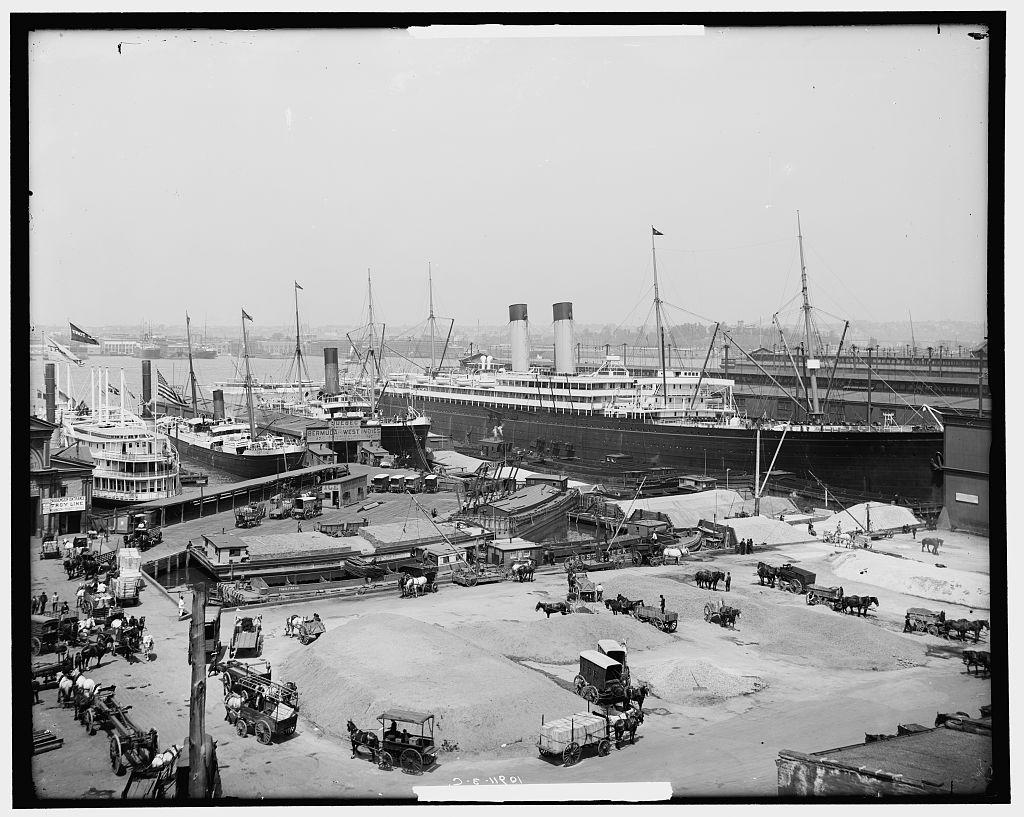
John McKenna was born in 1880 in Tents, Tarmon, County Leitrim. He left for New York in 1904 and began recording there around 1922.
His life gives this reading a specific connection between Leitrim and the American recording world. A tune could travel with its player, and a record could reach people who had never stood in the same room.
That is a wider county connection. It does not establish that the McPaddens owned his records or attended his performances.
Listen beyond the page · 3 of 3
Clancy’s dream / Leitrim town
Two jigs · John McKenna, flute
Follow the flute’s melody through the paired tunes. Compare this instrument with the accordion example earlier in the reading.
Hear John McKenna at ITMA ↗ (opens in a new tab)Choose “Clancy’s dream; Leitrim town” in the six-track list below the biography. These are historical recordings; an exact release year for this pair is not assigned here.
A later-generation window · Postwar Bridgeport
For families making lives in America, social life could include Irish traditions and the wider city’s music. Bridgeport’s ballrooms open a window onto that later world.
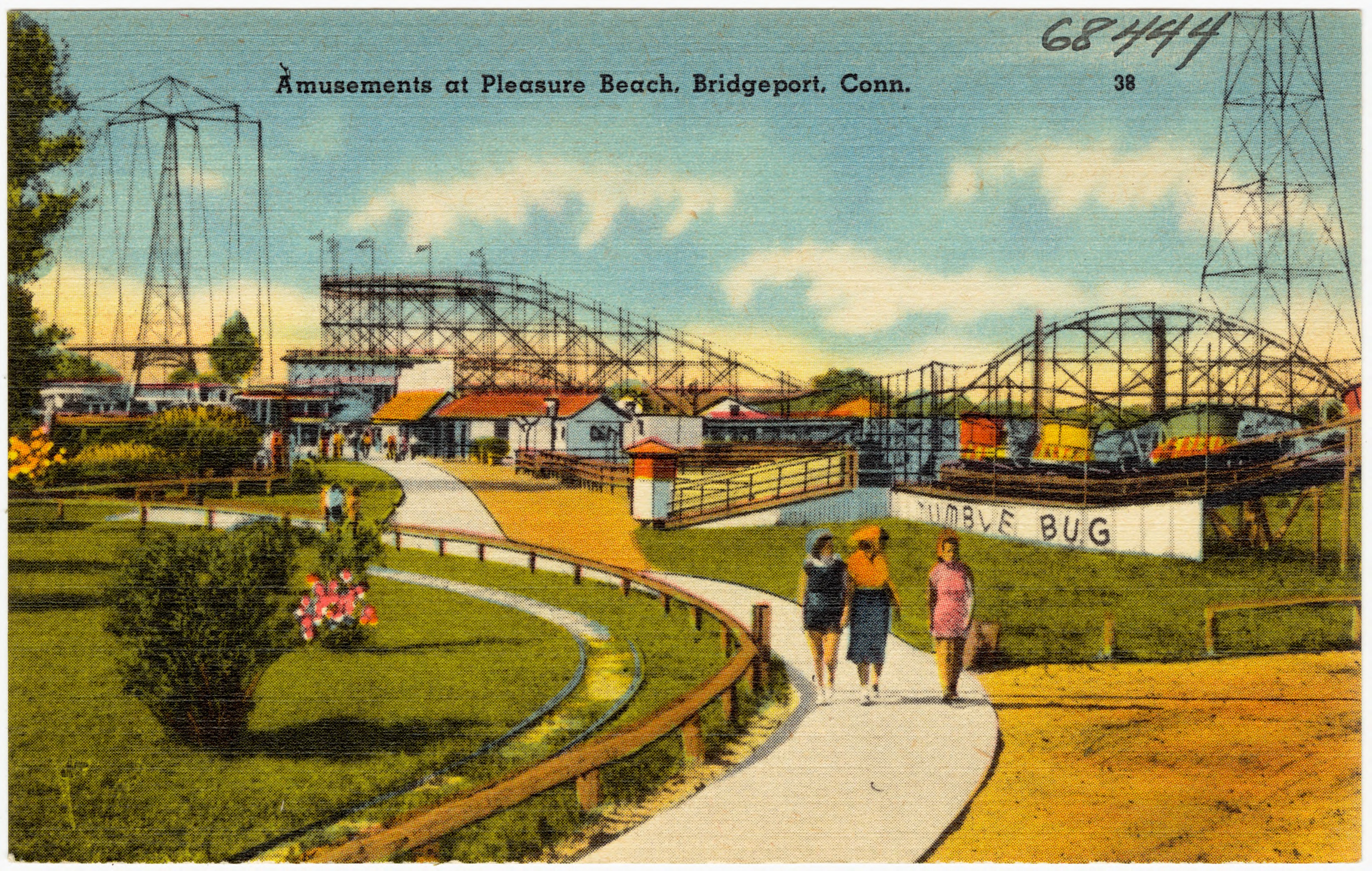
Pleasure Beach
The postcard places the entertainment within a waterside amusement park. The History Center’s account describes a maple dance floor and glass sides to the pavilion, and names Gene Krupa, Glenn Miller and Artie Shaw among its performers. Music could be one part of a whole excursion.
Explore the pavilion and park’s history ↗ (opens in a new tab)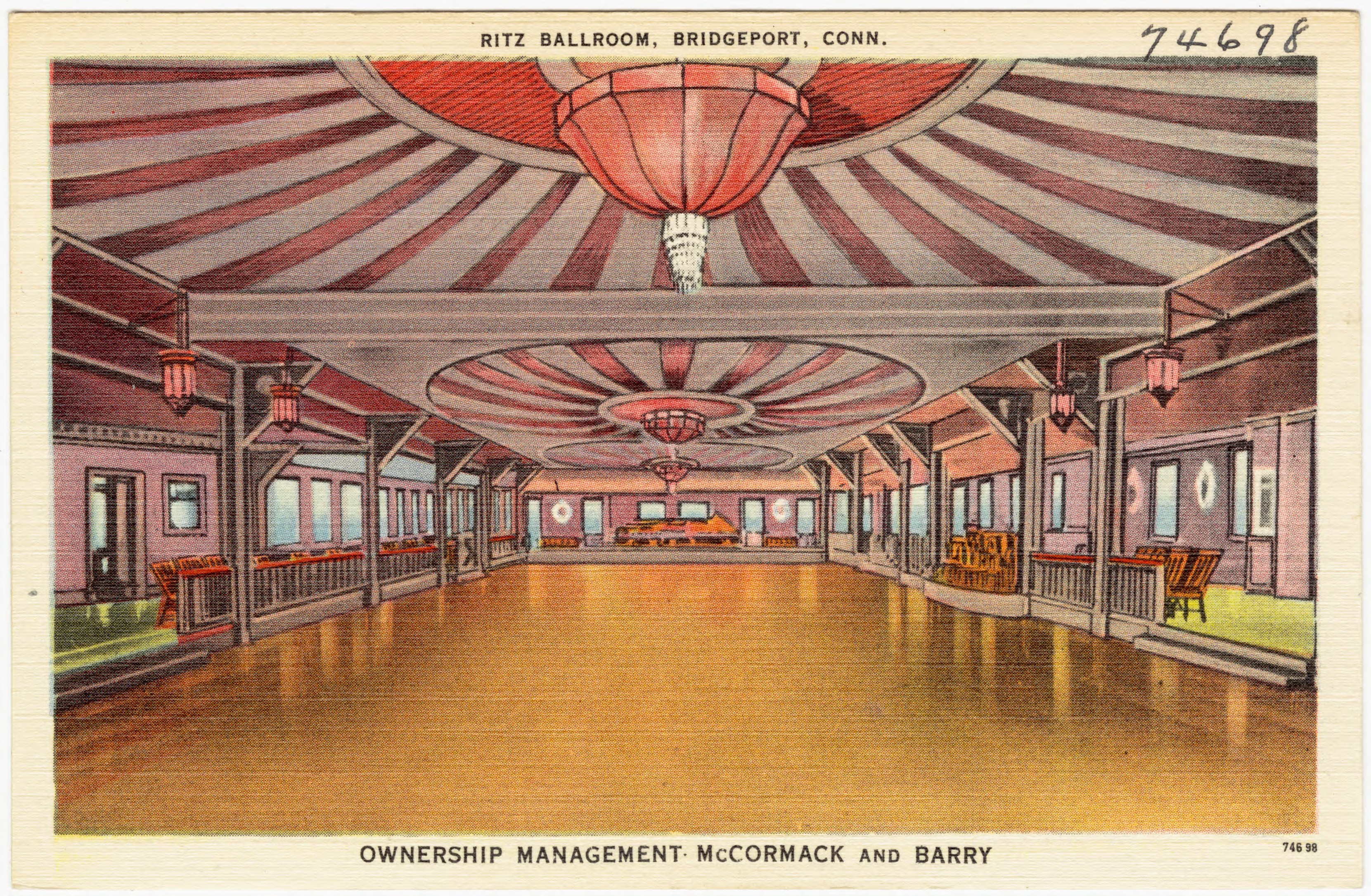
The Ritz Ballroom
Look at the open floor, chairs along the sides and decorative ceiling in this postcard. It presents a purpose-built world of dancing and watching. These are colour postcards from before or during the war, not photographs of the later evenings described below.
A 1954 trade report describes the Ritz’s booking pattern: nationally known bands on Sundays and holidays, regional bands during the week, with a house orchestra as well. A familiar venue could offer a changing programme.
Read the short Ritz notice, top left of printed page 14 ↗ (opens in a new tab)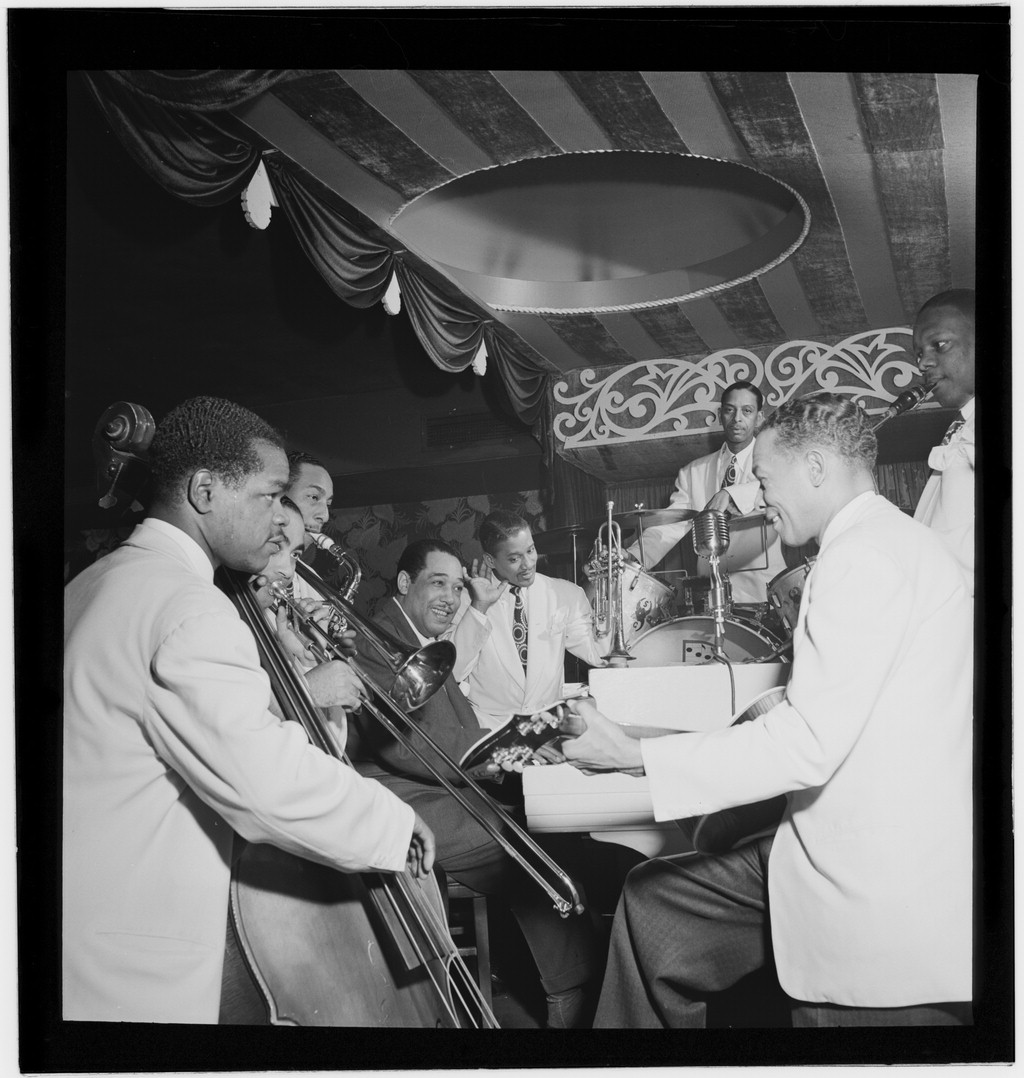
The people behind the band names
In this photograph, look for the piano, double bass, brass and reed instruments. A big band could combine sections playing arranged parts with individual solos, supported by a rhythm section. That produced a different texture and scale from a solo player at a small gathering.
These are three different kinds of evidence. The oral history does not assign every band to a particular venue or date; the 1954 notice is an advertised programme, not proof of attendance. The sources are linked with the venue accounts above and the interviews below.
Getting there · Meeting someone · Remembering the night
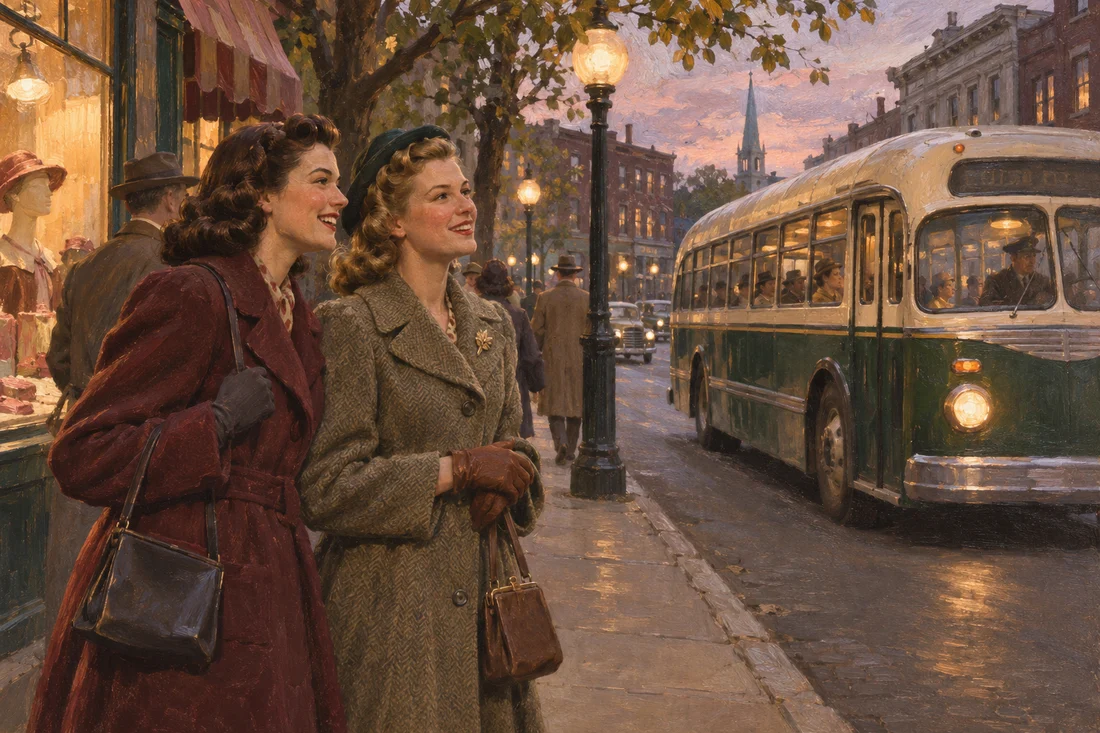
Andrew Soltis remembered reaching dances by bus, sometimes changing downtown and taking another bus towards Pleasure Beach. An evening out meant arranging how to get there, as well as deciding where to go.
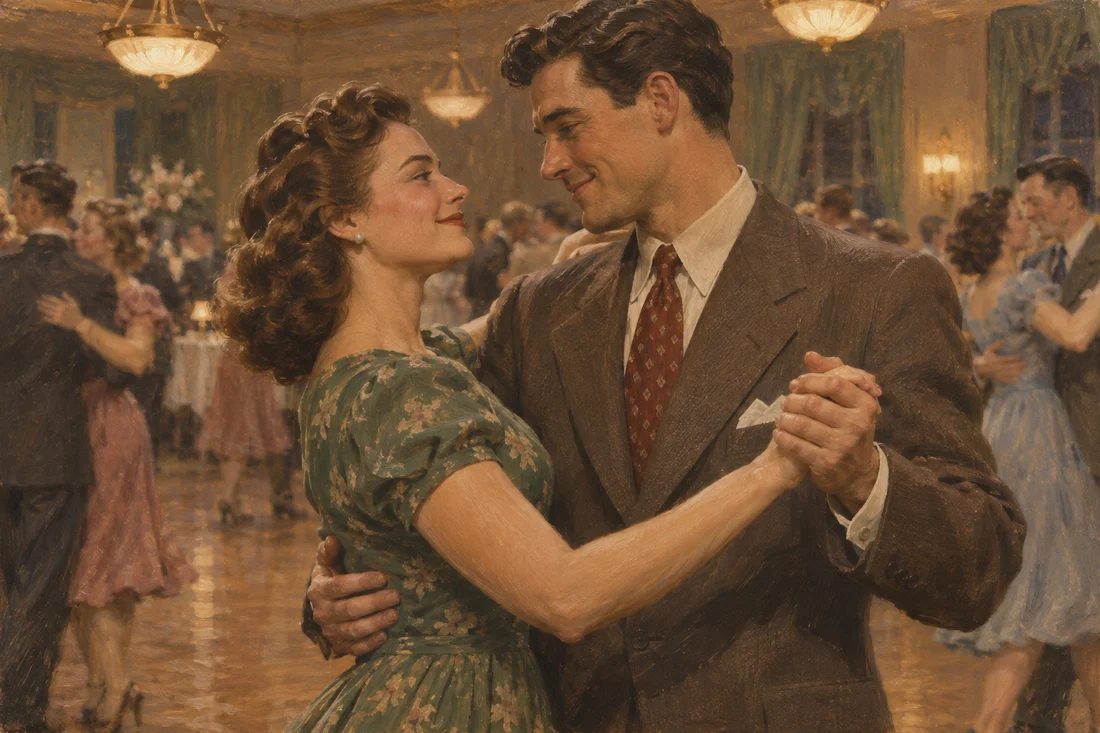
Soltis described going with friends, meeting a girl and dancing together through the evening. The floor offered a way to begin spending time with someone. His is one person’s recollection, not a rule about how every couple met.
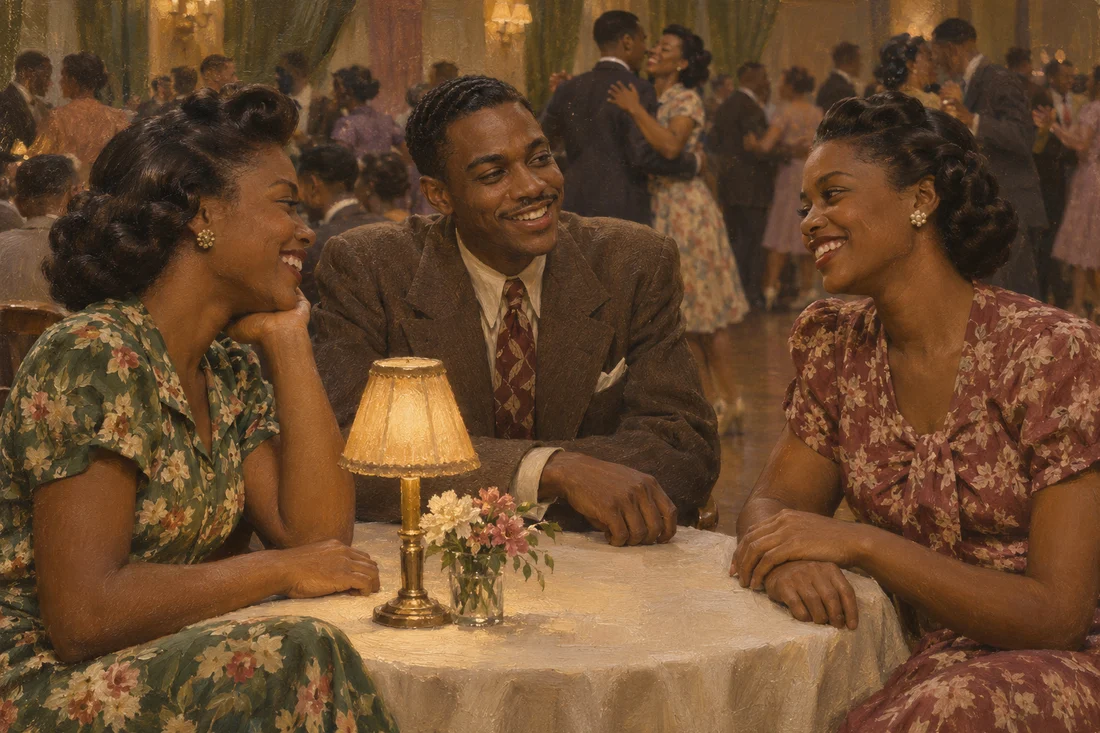
George and Lucille Bish recalled the Ritz, Pleasure Beach and big bands in a discussion of postwar recreation. Their interview comes from a project about Black Bridgeport residents: this musical world was larger than any one immigrant community.
Soltis: buses, friends and dancing, page 20 ↗ (opens in a new tab) · The Bish interview: postwar social life, PDF pages 25–27 ↗ (opens in a new tab)
The scale could change: a larger floor, a touring orchestra, a city of possible acquaintances. The pleasure of company remained recognisable.
Commercial ballrooms offered a different setting from the local hall in the Leitrim account. That is a difference in venue, business and opportunity—not a measure of which culture was richer. Nor should we make every marriage begin at a dance: Lucille Bish said her brother introduced George at home.
Ed remembers his parents speaking of Pleasure Beach and the Ritz. That family memory prompted this window; no particular concert, first meeting or attendance date is assigned to them.
Keep the evidence close
The local manuscript, a later interview and a commercial recording tell us different things. Their dates and settings matter as much as the detail they preserve.
The Newtownmanor manuscript connects three actions: making a cross, visiting houses and attending a hall gathering. Together they show how an annual custom could turn into practical contact between neighbours.
What to notice: the Wren account says the bird was not carried from house to house locally. That small qualification matters: a familiar tradition could take a distinct local form.
Written down in 1937–39. It cannot identify all participants or supply an unchanged picture of the nineteenth century.
Explore the calendar reading guide ↑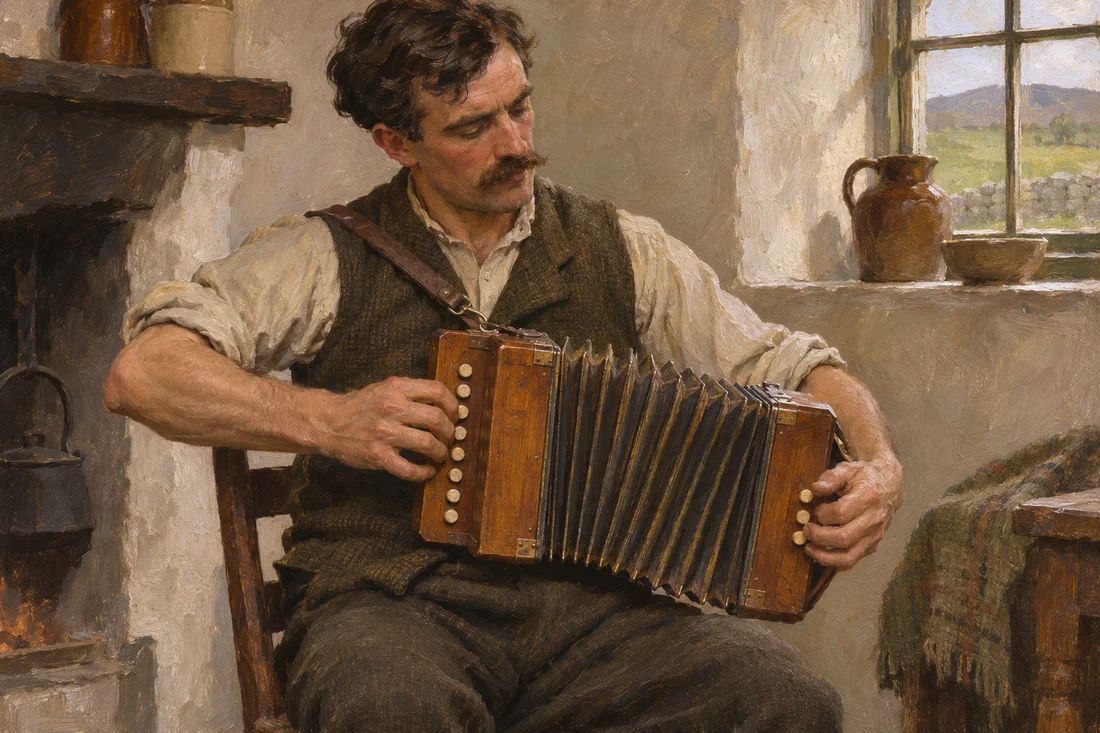
The 1916 catalogue names Kimmel on accordion and Linder on piano, with a New York recording date. That lets us hear particular musicians making Irish dance music in America.
What to listen for: separate the leading melody from the piano underneath it. The pairing adds something a written description of “music” cannot convey.
A commercial recording preserves a performance made for recording. It cannot tell us how the Newtownmanor hall sounded, or what a McPadden household listened to.
Return to the recording and instrument guide ↑The Ritz postcard shows how the ballroom was presented: a broad floor, seating and decoration. Oral histories supply the human use of such places—bus journeys, meeting partners, remembered bands. The 1954 report adds a dated booking policy.
What changes when we combine them: we can describe a setting, a remembered experience and an organised entertainment business. None alone gives all three.
The postcards predate some memories. We do not turn an undated recollection into a verified concert listing or assume equal access for everyone.
Look again at the venues and recollections ↑Research and manuscript inspection: Codex, AI-assisted, 14–16 November 2026. No independent historian review or local endorsement is claimed. Detailed claim decisions are in the research register.
Continue exploring
The work, shops and shared effort behind everyday life.
Home & village →
How churches, schools and care shaped a locality.
Explore the parish reading →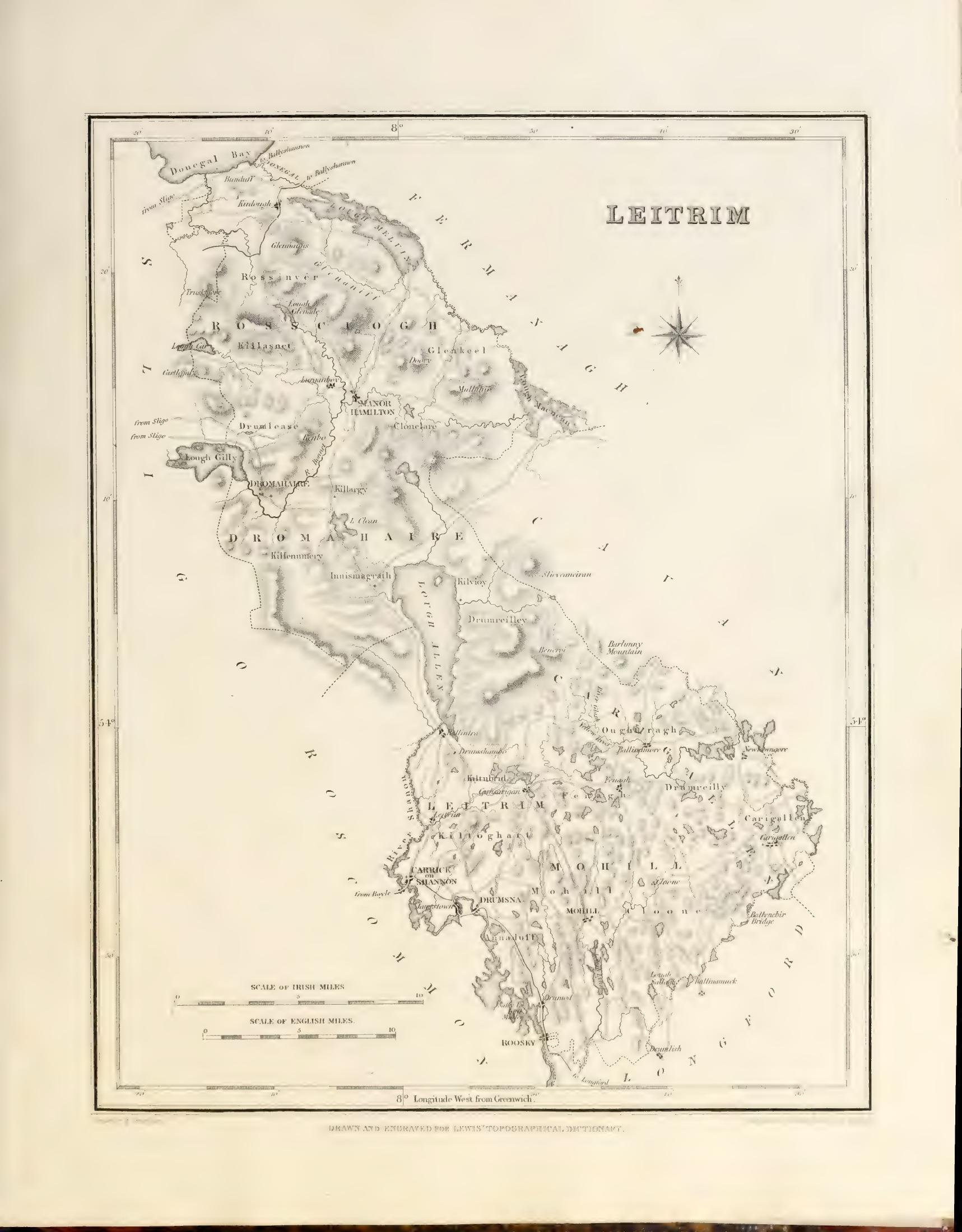
Explore the other readings through their themes.
Visit the history index →