
James McPadden · New York · 20 October 1904
America,
at last.
Behind him lay the Atlantic. Ahead was a city—and, beyond it, the sister whose address pointed toward his new life.
Follow the arrivalFrom a townland to a great harbor
A promise on
an enormous scale.
A statue above the water. Steamers moving between shores. A city stretching beyond them. For someone from rural Leitrim, the contrast could have been extraordinary.
We cannot recover James’s first thoughts. But we can pause at the distance between the world he knew and the world he was about to enter.
The crossing ends. The arrival unfolds.
Land in sight.
Entry still ahead.
The Teutonic reached New York on 20 October. A ship’s arrival and a passenger’s admission, however, were not the same event.
To understand that threshold, we step into the history of Ellis Island—not a confirmed stop in James’s personal itinerary.
Enter the inspection storyHistorical context · not a recovered account of James’s inspection
A harbor of possibility.
An island of questions.
Third-class and steerage immigrants commonly went to Ellis Island; first- and second-class passengers were generally inspected aboard ship. James’s passenger class and individual processing route remain unresolved.
Go straight to James’s record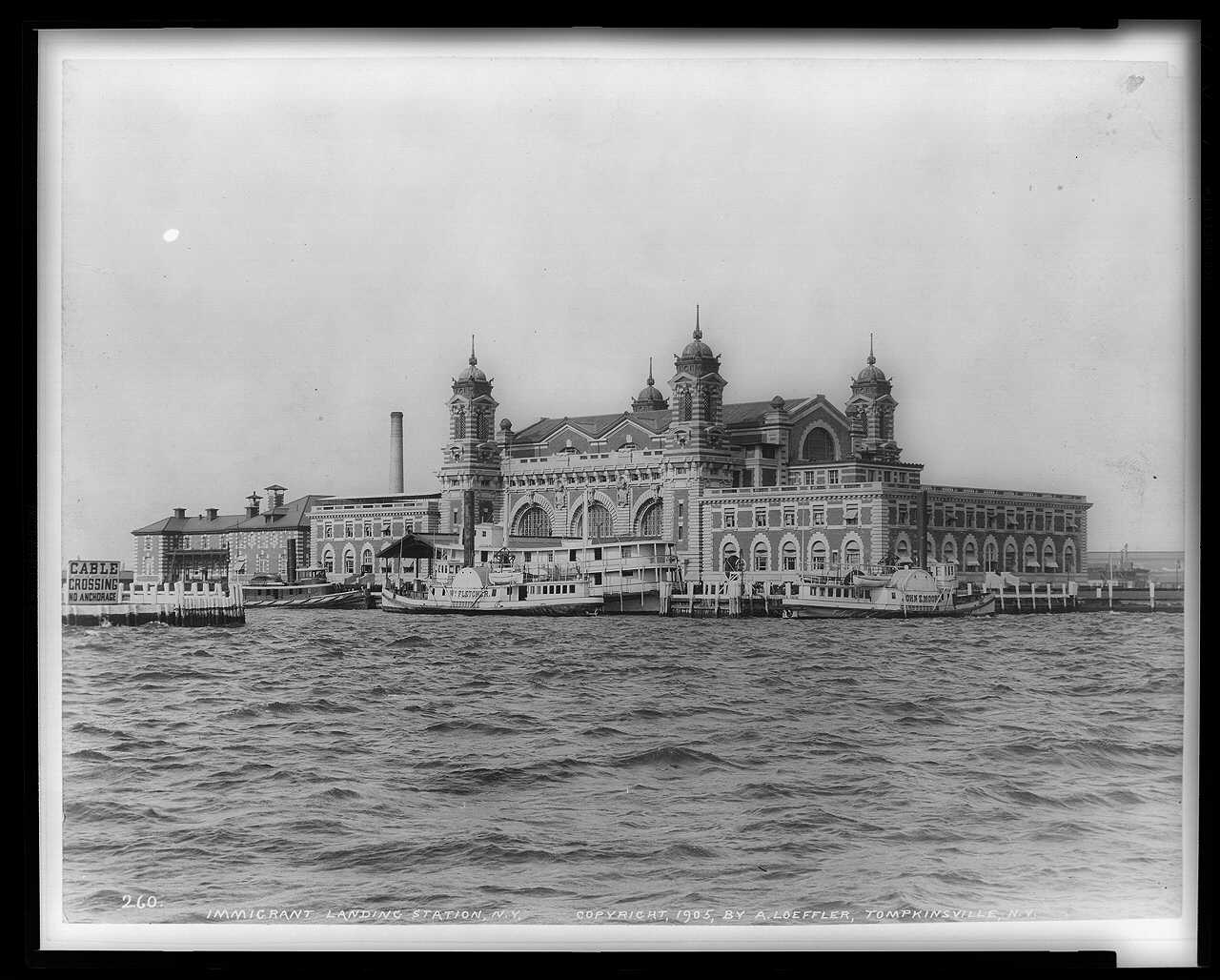
Ellis Island waterfront · copyright 1905 · Library of Congress ↗
Archival context, not photographs of James’s arrival.
Representative processing · James’s route unconfirmed
From the liner to the island
One more
stretch of water.
Ellis Island waterfront · copyright 1905 · Library of Congress ↗
Ocean liners did not put their passengers directly onto an Ellis Island landing. Those sent to the island transferred to smaller ferries or barges.
For them, reaching the harbor did not mean the traveling was over. There were belongings to keep close, instructions to follow, and another shore to reach.
The inspection room
A person.
Not just a passenger.
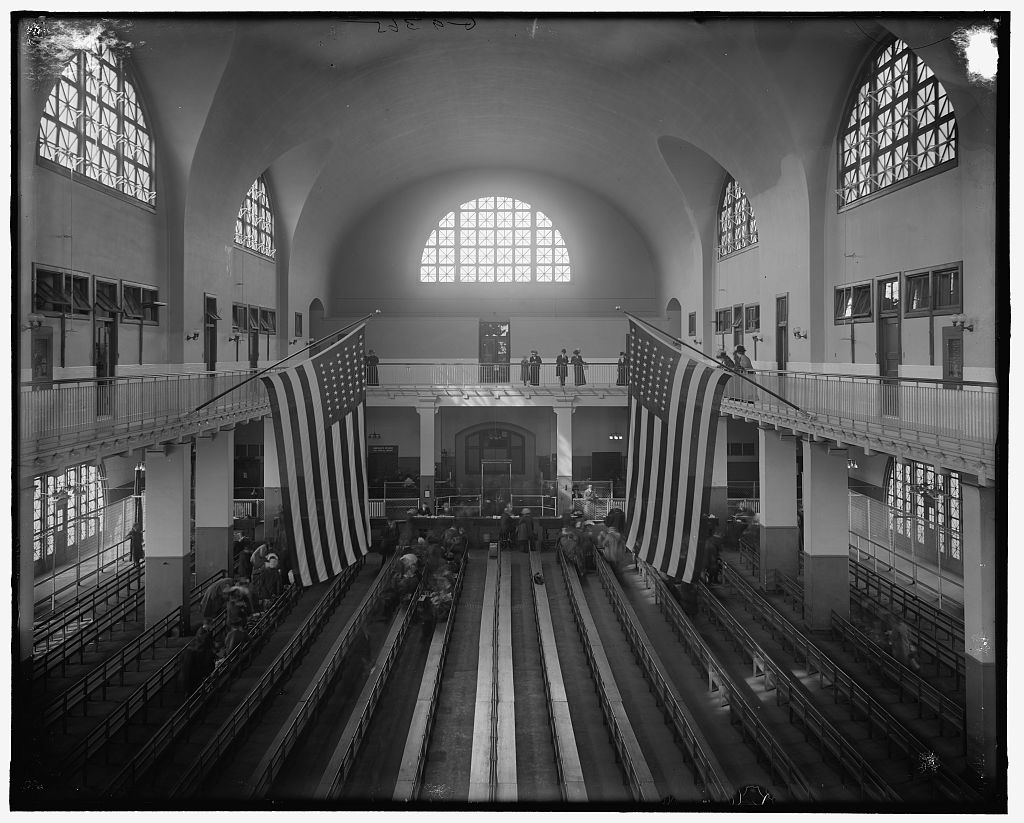
Inspection room · 1900–1915 · Library of Congress ↗
At Ellis Island, doctors watched people coming up the stairs and entering the Registry Room for signs that called for closer examination.
At an inspector’s desk, answers were checked against a passenger manifest prepared before the voyage. Money, work and the person being joined mattered to officials assessing whether a newcomer could support themselves.
An ocean crossed.
A future still being considered.
This is the system arriving immigrants encountered—not a scene we can assign to James. We do have something more personal to turn to: the line that names him.
The record brings us ashore
Ten dollars.
And someone to find.
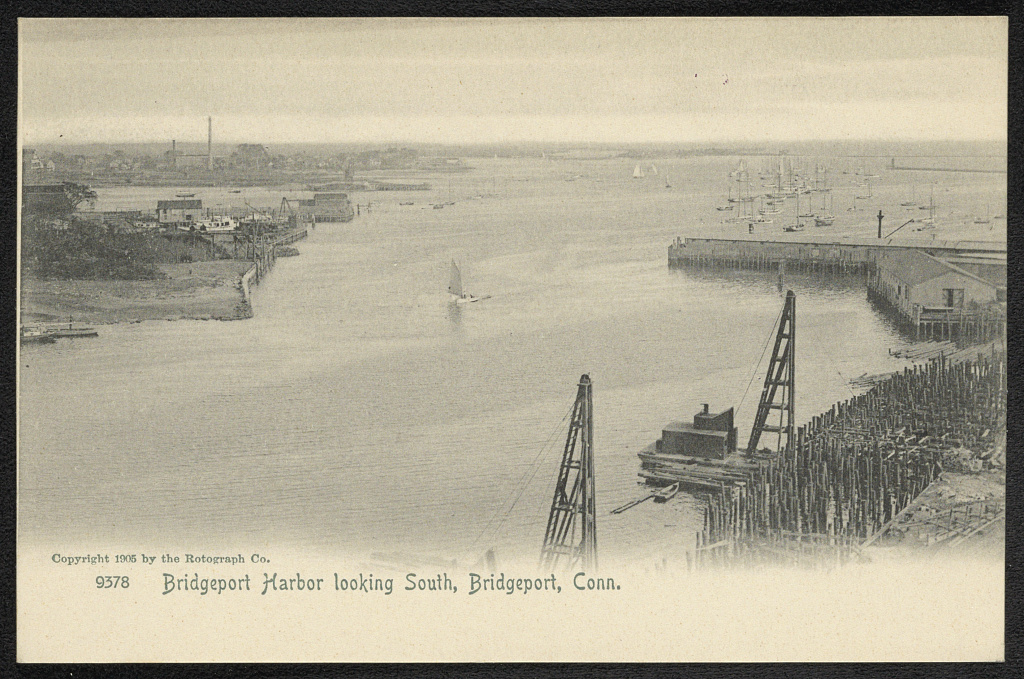
A great ocean journey becomes a few handwritten entries: a name, a sum of money, a destination. James’s completed passenger row records $10 and Bridgeport.
Read farther, and the destination becomes personal: “Sister Mrs James Kelly,” at 11 Warren Court. This was Catherine McPadden Kelly—his older sister, not the Catherine he would later marry.
20 October dates the ship’s arrival in New York. It does not date James’s arrival in Bridgeport.
A possible way onward · not his recovered itinerary
Beyond the harbor,
another connection.
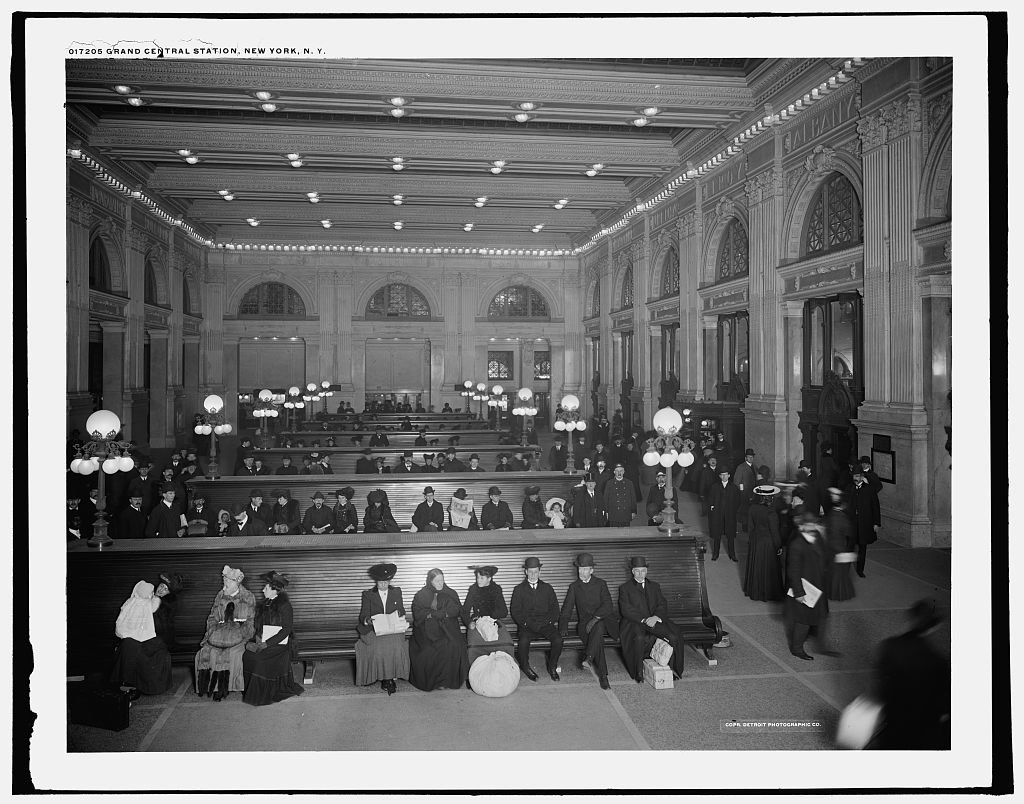
A period map and timetable let us follow one plausible railway corridor from New York to Bridgeport. They show a real transport network—not James’s recovered itinerary.
The map and mileage below are from 1902, two years before his arrival. His train, stops, harbor transfer, fare and travel time remain unconfirmed. The $10 in his record is not an invented spending balance.
Loading the map… You can keep reading.