
A McPadden story · October 1904
A ticket
to Bridgeport.
A mother in Leitrim.
A sister in Connecticut.
And James, crossing between their worlds.
James McPadden’s journeyTullynascreen–Bridgeport branch
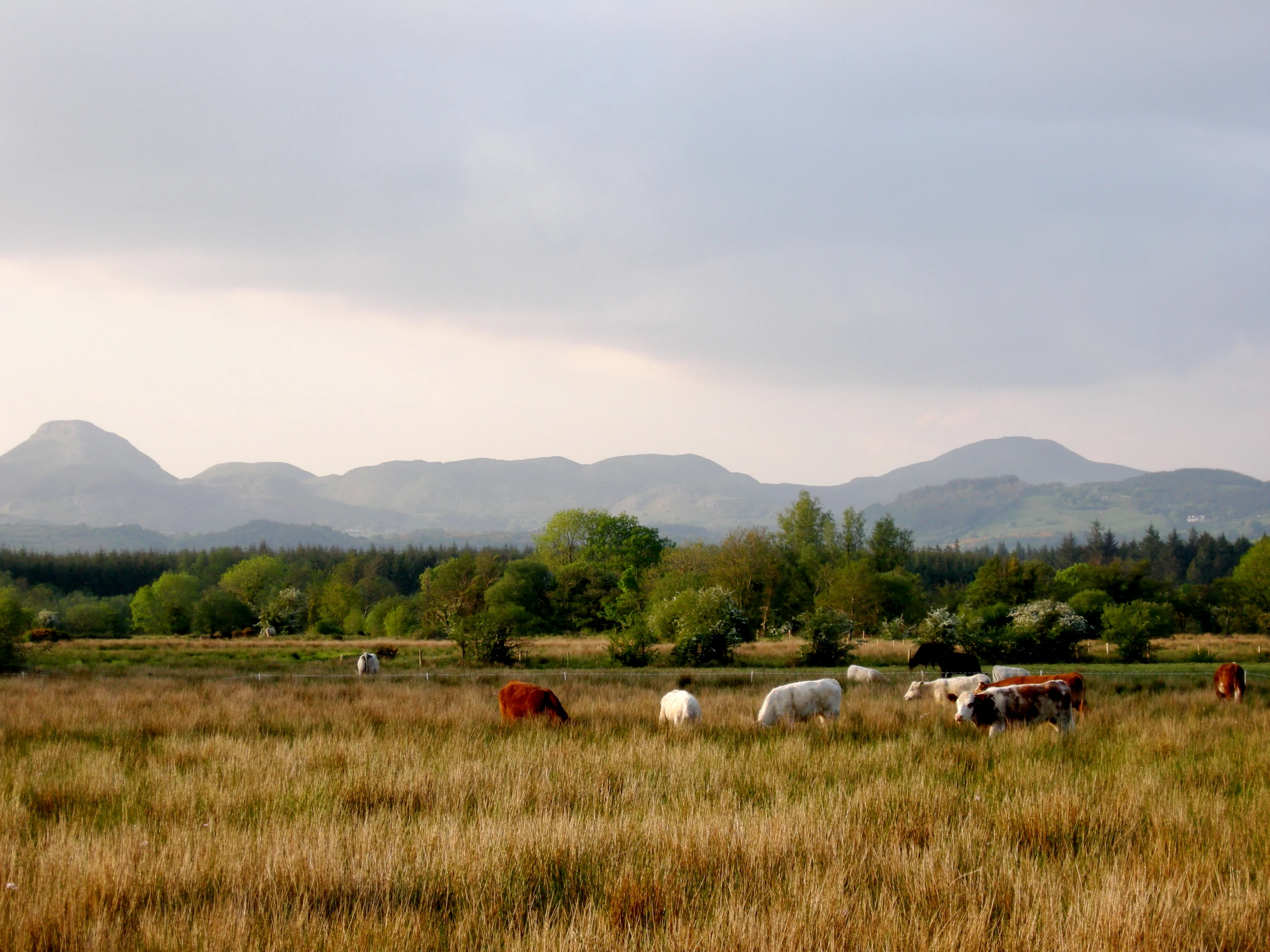
Present-day landscape near Dromahair · not the family’s homeIrishFireside · CC BY 2.0 · Image source ↗
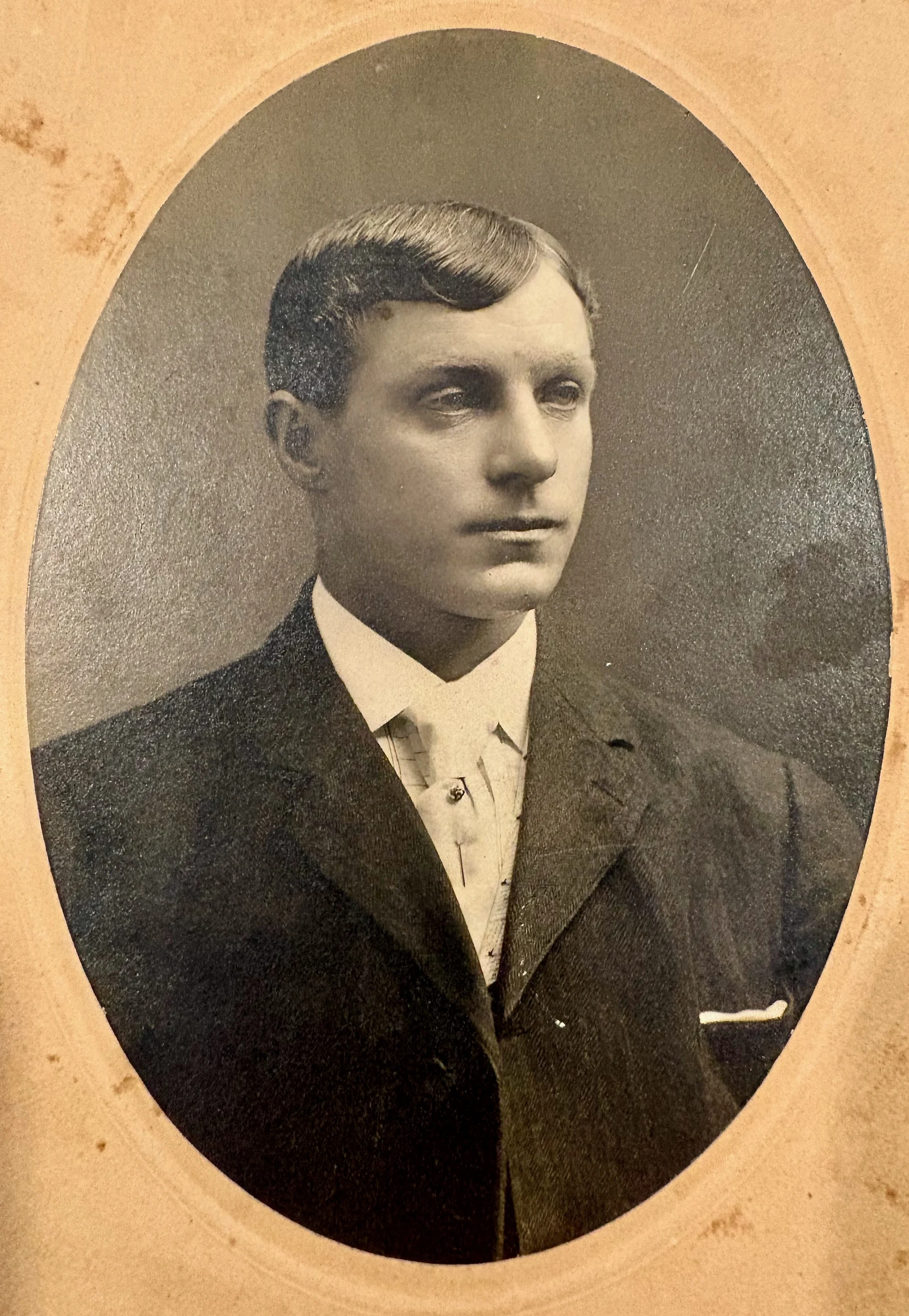
Family-held portrait; exact date unknown.
01 / The person behind the passage
Before he was
a passenger,
he was a son.
And a younger brother. James belonged to Mary and Michael McPadden’s family in Tullynascreen, County Leitrim.
Across the Atlantic, his older sister Catherine had already built a life. By 1900, she and her husband James Kelly were living in Bridgeport with their three sons.
In October 1904, James’s passenger record would point to her address. His American story began with a family connection.
02 / Between two shores
An ocean away.
A family connection.
James boarded the Teutonic at Queenstown on 13 October. A week later, his name appears among the arrivals in New York. Bridgeport was still ahead.
A glimpse of embarkation—not James or his particular crossing.
A schematic of the recorded passage and destination. The dotted connection is not a verified onward itinerary.
03 / The traces they left
They left us
pieces of the story.
Sixteen days separate Mary’s page and James’s arrival record. Read together, they place a mother, a son and a sister on either side of the Atlantic.
They cannot give us every conversation, every goodbye or every hope. Those silences belong in this story too.
4 October 1904 · Tullynascreen
A mother’s page.
Mary’s document names James and describes one Irish acre, furniture and effects to pass to him after her death. Her mark is an X.
It preserves her wishes, not her private thoughts or James’s reasons for leaving. This family history makes no present-day property claim or request for access.
The story starts in Ireland
Let’s begin with
the page Mary left behind.
A family document, kept through the generations,
opens a way back to Tullynascreen.
One branch of a wider McPadden story.
You do not have to belong to this branch to come along.
About the images and what we know
The landscape is a contemporary photograph near Dromahair by IrishFireside (CC BY 2.0), not a view of Mary’s dwelling in 1904. It is displayed cropped with a shading overlay. Image source and license. James’s portrait is a family-identified heirloom, photographed after his arrival. The Queenstown stereograph provides historical context, not evidence of his specific crossing. Library of Congress source.
Reproductions included here are preserved records, not reconstructions. Other documents are represented by selected readings and source notes. Conflicting record details and gaps remain available in the evidence reader. Mary’s document is presented as family history, not a claim to present-day land or access.